Here's a pattern every winery with a club program recognizes: a couple in their early thirties visits your tasting room. They love the experience. They sign up for the club on the spot. The first shipment arrives and it's exciting — a curated box from that amazing winery they discovered on their Sonoma weekend.
By the third shipment, they've cancelled.
It's not that they stopped liking your wine. It's that the club stopped fitting their life. And if you're watching this pattern repeat with your younger members — and the data says you almost certainly are — the problem isn't your wine or your hospitality. It's your club model.
The Model Mismatch
Most wine clubs were designed in a world where the target member was a 55-year-old with a wine cellar, a predictable income, and a relationship with alcohol that included buying by the case. That member wanted curation. They wanted the winemaker to choose. They were comfortable committing to a quarterly shipment of wines they hadn't tasted, at a price they didn't question, on a schedule they didn't control.
That description does not match a 32-year-old millennial or a 26-year-old Gen Z wine drinker. Not even close.
Younger drinkers approach subscriptions fundamentally differently. They've been trained by Spotify, Netflix, and every DTC brand on the internet. They expect flexibility as a baseline — the ability to pause, skip, swap, and cancel without friction. They resist commitments that feel rigid or punitive. They want control over what they receive and when they receive it. And they're more likely to evaluate each shipment against what else they could spend that $150 on.
This isn't a character flaw. It's a consumer behavior pattern shaped by a decade of subscription commerce. And if your wine club ignores it, you'll keep acquiring younger members and losing them three months later.
What "Flexible" Actually Means
Every wine club says they're flexible. Most aren't. Not really.
Flexibility doesn't mean offering a "skip" button buried three clicks deep in a member portal that requires a desktop browser to access. Flexibility means building a club model where the member has genuine agency over their experience — without feeling like they're breaking a contract to exercise it.
Here's what flexibility looks like to a younger drinker.
They want to choose their own wines — or at least have the option. The traditional model where the winemaker picks everything and the member takes what they get feels paternalistic to a generation that customizes everything. Offering a build-a-box option alongside your curated releases gives members a sense of ownership. They're not just receiving wine — they're building their collection.
They want to control the cadence. Monthly might be too frequent. Quarterly might land at the wrong time. They want to choose their frequency at sign-up and change it later without calling someone. Monthly, every other month, quarterly — let them decide. And let them adjust without cancelling and re-enrolling.
They want to skip without guilt. The ability to skip a shipment shouldn't feel like a confrontation. No "Are you sure?" pop-ups. No retention offers that feel desperate. Just a clean skip button that pauses the next shipment and picks up again the following cycle. Members who can skip freely stay longer than members who feel trapped — because skipping is what they do instead of cancelling.
They want to manage everything from their phone. This sounds obvious, but most wine club member portals are desktop-first experiences that barely function on mobile. Your younger members don't have a "computer time." Their phone is their computer. If they can't check their upcoming shipment, swap a bottle, or update their card from their phone in under 30 seconds, the experience feels broken.
Rethink the Entry Point
The traditional wine club pitch — "Join our club and receive quarterly shipments of our finest wines" — is a commitment pitch. For a younger drinker who just discovered your winery an hour ago, that's a big ask.
Consider what a lower-commitment entry point looks like. A starter tier at a lower price point with fewer bottles gives someone a way to try the club without committing to a $200 quarterly shipment. Think two bottles for $50, shipped every other month. The economics are smaller, but the conversion rate is higher — and a member who starts small and upgrades is worth far more than a prospect who balks at the full commitment and walks away.
Some wineries are experimenting with a trial shipment — essentially a one-time curated box that converts into a membership if the customer wants to continue. No auto-enrollment. No surprise charges. Just a great first experience with an easy path to continue. This approach aligns with how younger consumers make buying decisions: try first, commit later.
The goal isn't to lower the value of your club. It's to widen the door so more people walk through it. The members who love the starter tier will upgrade. The ones who don't were never going to commit to the full program anyway — but at least you made a sale instead of losing a prospect.
Make It Social, Not Just Transactional
Here's something that most wine clubs completely miss: younger drinkers don't just buy products. They buy experiences they can share.
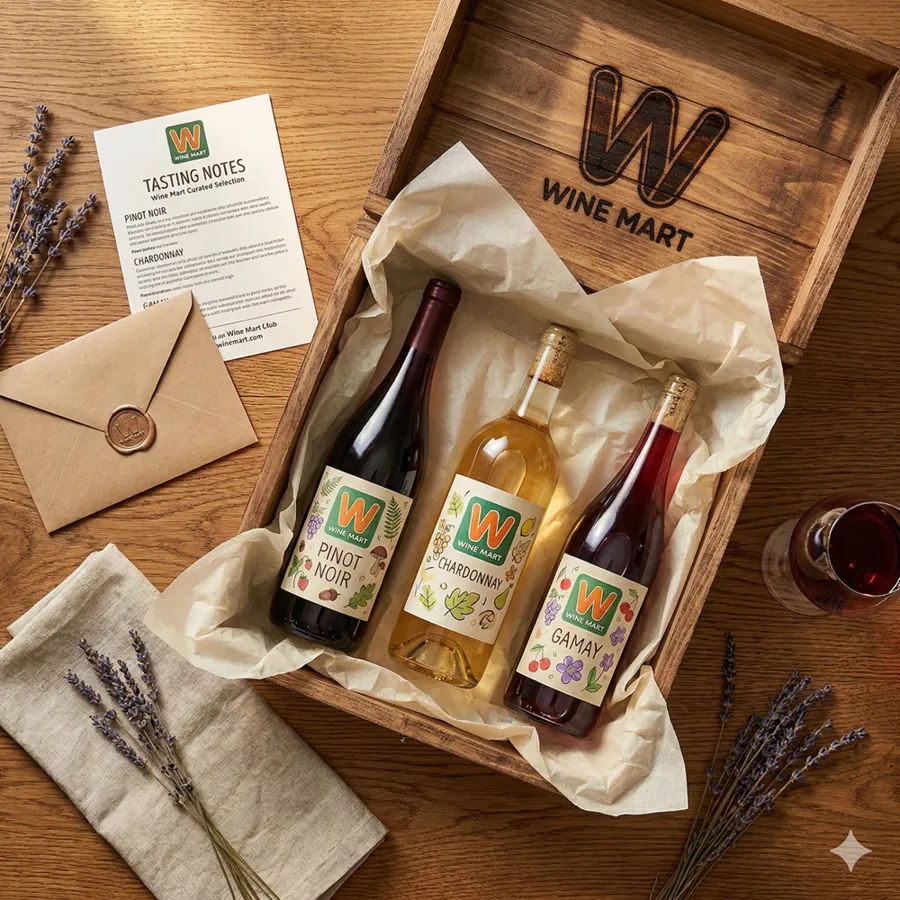
The unboxing moment matters. When a shipment arrives, is it something worth posting about? A plain brown box with a packing slip isn't going to make anyone's Instagram story. But a beautifully designed package with tasting notes, a card from the winemaker, and a QR code that links to a video of the winemaker discussing the wines in the shipment — that creates a shareable moment.
Behind-the-scenes access resonates. Younger members value transparency and connection. A monthly email from the winemaker explaining what's happening in the vineyard, a video of the blending process, or an invitation to a virtual tasting with the production team — these create the kind of connection that makes a subscription feel like a relationship rather than a transaction.
Member-only experiences drive retention more than discounts. A 15% member discount is nice, but it's not what keeps younger members engaged. An invitation to a harvest day where they can pick grapes and blend their own barrel sample? An intimate dinner in the cave with the winemaker and 20 other members? A first look at the new vintage before it's released to the public? These experiences create the emotional attachment that makes cancelling feel like losing something — not just ending a subscription.
Pricing Transparency Matters More Than Price
Younger consumers aren't necessarily cheap. They spend freely on experiences, travel, and products they believe in. But they're allergic to feeling like they're being taken advantage of.
Hidden fees erode trust fast. If your club charges separately for shipping, adds compliance fees at checkout, or bills at unpredictable intervals, younger members feel ambushed. They'd rather pay a slightly higher all-in price than be surprised by add-ons they didn't expect.
Show them what they're getting relative to retail. If the club shipment includes wines that retail for $180 and the member pays $140, say so. Not as a hard sell — just as context. "This shipment includes three wines with a combined retail value of $180. Your club price: $140." Younger buyers are value-conscious, and showing the math respects their intelligence.
Be transparent about the commitment. If there's a minimum membership period, say it upfront. If cancellation is easy, say that too. "No minimum commitment. Skip or cancel anytime." That sentence alone reduces sign-up anxiety more than any discount offer.
The Club of 2026 Looks Different
The wine clubs that will thrive with younger drinkers won't look like the clubs of 2015. They'll offer both curated releases and build-a-box options. They'll let members control their frequency, skip freely, and manage everything from their phone. They'll create shareable moments and exclusive experiences that turn membership into identity. And they'll be transparent about pricing, commitment, and value.
This isn't about chasing trends. It's about recognizing that the next generation of wine buyers — the generation that will sustain your club program for the next 20 years — buys differently than the generation before them. Meeting them where they are isn't a compromise. It's how you build a club that lasts.
If you're thinking about how to modernize your wine club on Shopify — or if you're designing a club program from scratch — the architecture matters as much as the strategy. The flexibility your members expect needs to be built into the platform, not hacked onto a rigid system.
That's exactly what we're building with CrushSuite Clubs — release clubs and build-a-box subscriptions on the same infrastructure, with the flexibility and compliance integration that modern wine clubs need.
See how CrushSuite Clubs works, live now with a 14-day free trial.